

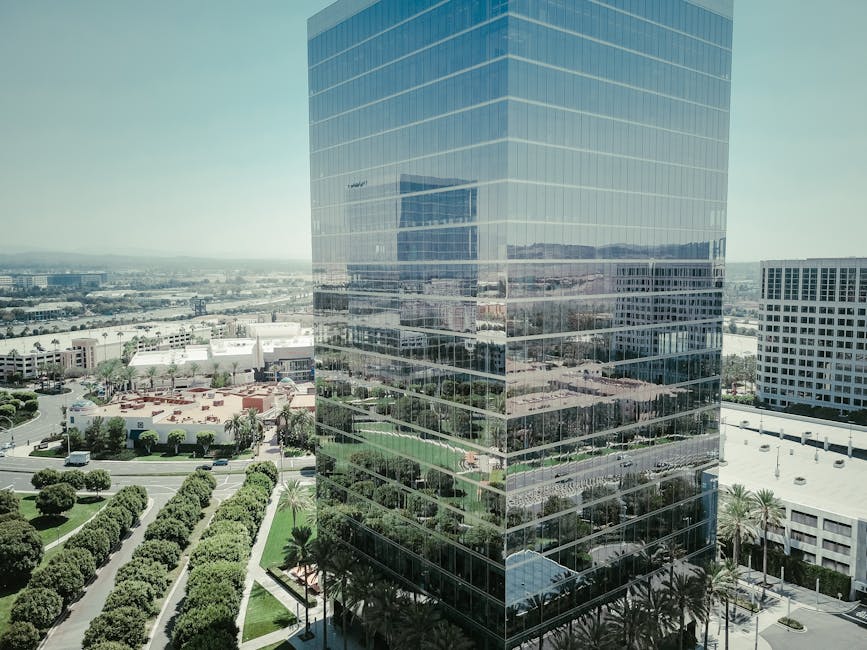
As Tucson continues to grow and evolve, facility management trends are rapidly adapting to meet the needs of both local businesses and the unique desert environment. If you’re searching for what’s next in facility management or wondering how you can enhance your commercial property in 2024, understanding these cutting-edge trends will help you make informed decisions and boost operational efficiency. Here’s a detailed look at the latest trends that are transforming facility management, with insights tailored to Tucson’s distinctive climate and culture.
Embracing Smart Building Technology
- The integration of Internet of Things (IoT) devices and smart building systems is one of the most significant shifts in facility management this year. IoT sensors, automated lighting, HVAC systems, and real-time occupancy monitoring not only promote energy savings, but also ensure comfort during Tucson’s intense summers.
- Remote monitoring allows facility managers to track energy use, identify maintenance needs, and make data-driven decisions — especially helpful in a sprawling metro like Tucson where multiple sites may be managed from a single dashboard.
Sustainability Takes Center Stage
- Sustainability is more than a buzzword in 2024, especially for Tucson, where water conservation and energy efficiency are top priorities. Facility managers are investing in drought-resistant landscaping, solar panels, and water-saving appliances to align with both corporate social responsibility goals and local ordinances.
- Arizona’s abundant sunshine makes rooftop solar a logical investment, reducing long-term energy costs and taking advantage of state incentives.
Resilient Facility Planning for Desert Conditions
- Extreme weather events, such as sudden monsoon storms and prolonged heat waves, demand resilient facility infrastructure. Tucson facility managers are upgrading roofing, HVAC, and window insulation to withstand temperature fluctuations while maintaining indoor comfort for employees and visitors.
- Emergency preparedness plans now regularly include disaster protocols tailored to Arizona’s unique risks, from power outages to flash floods.
Shift Toward Flexible Workspaces
- The rise of hybrid and remote work has redefined space utilization in Tucson offices, co-working spaces, and educational campus facilities. Facility management in 2024 is all about adaptability: modular furniture, moveable walls, and multi-use spaces accommodate changing workforce dynamics.
- Flexible environments not only attract tenants but also contribute to employee satisfaction, which is especially important given Tucson’s competitive job market.
Enhanced Indoor Air Quality and Health Protocols
- Post-pandemic concerns have made air quality and occupant wellness a central focus of facility management. Advanced air filtration, UV light purification, and touchless fixtures are increasingly common in Tucson’s offices, schools, and healthcare facilities.
- Maintaining a healthy indoor environment is particularly relevant in the dry, dusty Sonoran Desert, where allergies and respiratory issues can be worsened by poor air circulation.
Data-Driven Decision Making
- Predictive analytics and Building Management Systems (BMS) are empowering facility managers to spot trends, anticipate maintenance needs, and optimize resource allocation. For commercial properties throughout Tucson, this means less downtime, reduced costs, and more strategic long-term planning.
- With energy and labor costs on the rise, facility teams in Tucson are leveraging software to generate actionable insights—and keep budgets in check.
Focus on Employee and Tenant Experience
- Facility management now extends beyond physical maintenance to include hospitality-inspired amenities and services. Tucson’s laid-back but active lifestyle is reflected in outdoor gathering spaces, walking paths, and fitness areas that encourage community engagement and employee well-being.
- Weekly farmers markets, bike-friendly campuses, and “work from anywhere” zones are being incorporated to reflect Tucson’s tech-forward, wellness-oriented population.
Incorporating Local Art and Culture
- In 2024, facility managers recognize the value of integrating Tucson’s vibrant art scene into their properties. Murals from local artists and southwestern landscape elements not only beautify buildings but also build a sense of community pride.
- Biophilic design—incorporating native plants and natural materials—connects occupants to the unique Sonoran surroundings, supporting both mental health and local biodiversity goals.
Outsourcing and Specialized Service Models
- As facility management tasks become increasingly specialized, many organizations in Tucson are outsourcing HVAC, janitorial, and security services to local providers who understand the region’s unique needs.
- Integrated facility management contracts streamline operations and provide access to a wider array of expertise without the burden of hiring full-time, in-house staff for every specialty.
Facility Management Education and Workforce Development
- With new technologies and sustainability protocols constantly evolving, continuous education for facility managers is essential. Tucson is seeing a rise in professional training, certifications, and partnerships with local community colleges.
- Upskilling helps attract younger professionals to the industry—a win for both local economic development and the future of facilities.
Making the Right Moves in 2024
Facility management in Tucson isn’t just about keeping the lights on and the HVAC running. It’s about creating safe, sustainable, and inspiring spaces that reflect our community’s values. Whether you manage a downtown office tower, a university campus, or a healthcare facility, staying on top of these trends ensures you not only meet legal requirements, but also provide value to your occupants.
By focusing on smart technology, sustainability, flexibility, wellness, and a connection to local culture, Tucson facility managers can prepare for the future and position their properties to stand out in 2024.