

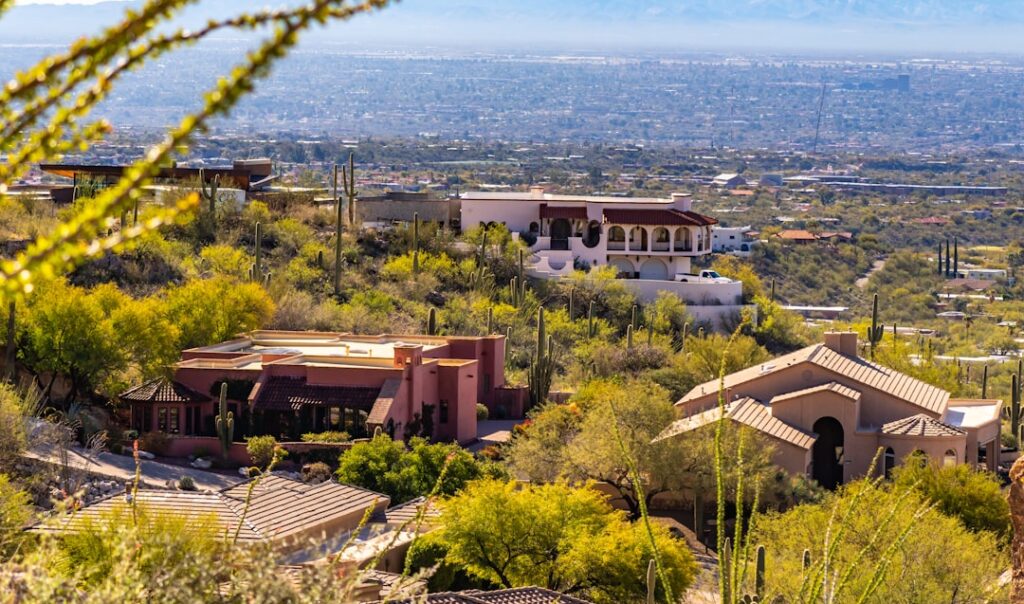
Living in Tucson, AZ means embracing the desert sun, unique adobe architecture, and a lifestyle that harmonizes with the local environment. Whether you manage a modern commercial complex downtown, a historic adobe property, or a residential building in Oro Valley, understanding preventive maintenance is crucial for sustaining building performance and protecting your investment in our arid climate.
What Is Preventive Maintenance for Buildings?
Preventive maintenance (PM) consists of regularly scheduled inspections, servicing, and repairs of building systems and components to ensure they operate efficiently and reliably. Unlike reactive maintenance—which fixes things after they break—PM aims to catch issues early, minimize downtime, and extend the lifespan of assets.
Common Elements of Preventive Maintenance
- Scheduled HVAC checks and filter replacements
- Roof and gutter inspections
- Plumbing system evaluations
- Electrical system testing
- Elevator safety testing
- Regular inspections of doors, windows, and security systems
Why Tucson Makes Preventive Maintenance Even More Essential
Tucson’s desert climate presents unique challenges for building maintenance. Intense sun exposure, wide diurnal temperature swings, dust storms (haboobs), and the powerful monsoon season put added stress on building materials and systems. Here’s how our local lifestyle and environment factor into preventive maintenance scheduling:
- Sun Damage: Prolonged UV exposure can degrade roofing materials, window seals, and exterior paint, making regular inspections a must.
- HVAC Strain: With triple-digit summers, air conditioning units work overtime. Scheduled tune-ups and filter changes keep HVAC systems efficient and avoid costly breakdowns.
- Water Intrusion: Monsoons can exploit even the smallest roof or window leaks. Proactive inspections help you address vulnerabilities before storms hit.
- Dust and Sand: Frequent dust storms can clog air filters and settle on mechanical systems. Preventive cleaning protects performance.
The Benefits of Preventive Maintenance
1. Cost Savings Over Time
Deferred maintenance can lead to major repairs or even premature system replacements. By investing in regular upkeep, Tucson property owners reduce the likelihood of emergency repairs—often the costliest type.
2. Energy Efficiency
Well-maintained systems, especially HVAC, operate more efficiently and use less electricity. As utility costs continue to climb, especially in summer, this translates to real savings.
3. Improved Health and Safety
Regular checks detect mold, indoor air quality problems, or electrical hazards before they become health risks. For commercial property managers, this limits liability and keeps tenants or guests safe.
4. Enhanced Building Value
Properties with solid maintenance records often command higher rental or resale values. In a competitive Tucson real estate market, this can make your property stand out to prospective tenants or buyers.
5. Lower Environmental Impact
Efficient buildings use fewer resources and produce less waste, reducing your operation’s environmental footprint—a growing concern in water-conscious Southern Arizona.

Creating a Preventive Maintenance Plan for Tucson Buildings
An effective PM plan starts with a solid understanding of your property’s unique needs and a schedule that adapts to our local climate. Here’s how Tucson facility managers and building owners can get started:
1. Inventory Your Building Systems
Make a comprehensive list of all equipment, including HVAC units, roofing, fire alarms, plumbing fixtures, elevators, landscaping irrigation, and security systems.
2. Assess Manufacturer Guidelines — and Local Factors
Check manufacturer recommendations for service intervals, but adjust for Tucson’s tough climate. For example, you might replace air filters more frequently due to high dust levels.
3. Schedule Around Local Conditions
Plan major roof and exterior inspections before monsoon season (June–September). Set HVAC maintenance in late spring, just before the hottest weather arrives. For properties with large landscapes, adjust irrigation system checks based on drought advisories.
4. Keep Records
Use digital tools or maintenance management software to log every inspection, repair, and upgrade. This helps with budgeting, ensures warranty compliance, and provides documentation during property sales or insurance claims.
5. Communicate with Occupants
Let tenants or staff know when inspections or repairs are scheduled, especially for disruptive tasks. This improves cooperation and helps identify maintenance concerns early.
Most Frequently Asked Questions About Preventive Maintenance in Tucson
How often should buildings in Tucson have preventive maintenance?
Most critical systems (like HVAC and roofs) should be checked at least twice a year, with minor checks (filters, drains) every 1–3 months, depending on usage and exposure.
Does dust really make a difference for Tucson buildings?
Absolutely. Dust buildup can overwork HVAC units, block sensors, and reduce air quality—prevention is key in the desert.
What’s the biggest mistake building owners make?
Waiting until there’s visible damage or a system failure before taking action. Preventive maintenance is about staying ahead, not catching up.
Can preventive maintenance help reduce water usage?
Yes, especially through regular irrigation audits, leak detection, and fixture maintenance tailored to Tucson’s water-scarce environment.
Final Thoughts: Adapt, Prevent, and Protect
Understanding and practicing preventive maintenance isn’t just about following a checklist—it’s about adapting to Tucson’s unique climate and protecting your building and community for years to come. By investing a little time now, you gain peace of mind, cut long-term costs, and help keep the Old Pueblo’s buildings resilient, beautiful, and efficient under the desert sun.