

 See My Latest Article on HelloNation
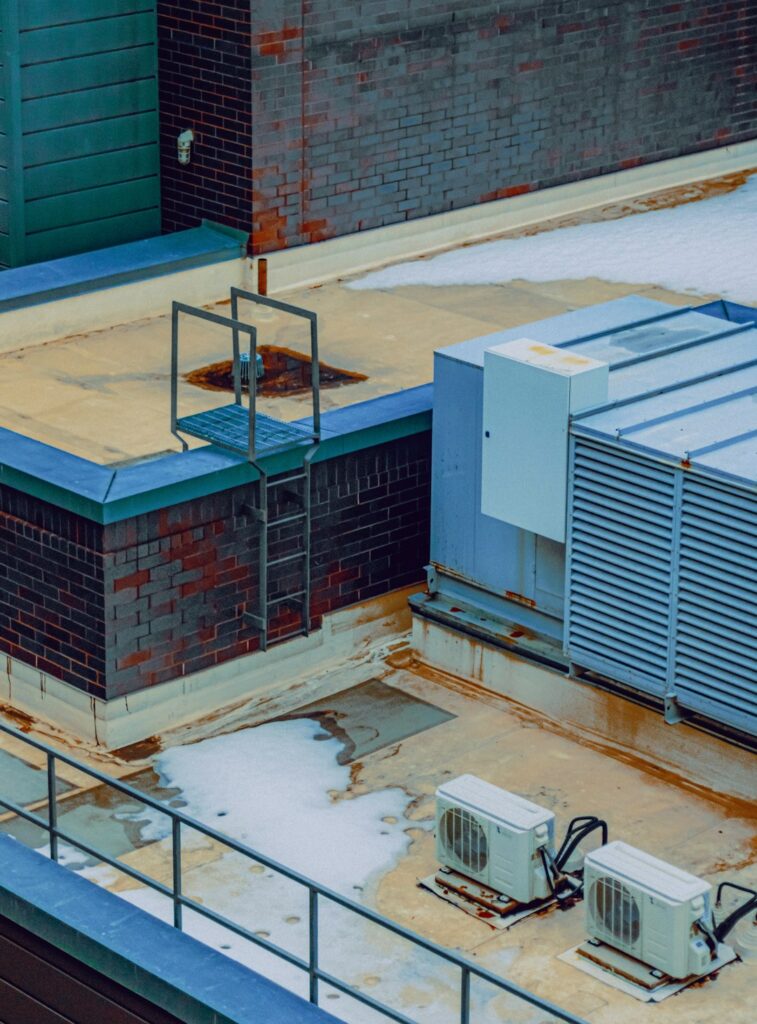
Commercial buildings in Tucson, AZ need maintenance plans that account for intense sun, long dry periods, dust, monsoon storms, cooler winter nights, and heavy use of cooling equipment. A seasonal checklist helps facility teams identify small problems before they become safety concerns, equipment failures, water damage, or costly interruptions.
Seasonal maintenance is more than changing air filters. It includes building systems, exterior surfaces, drainage, life-safety equipment, indoor air quality, and records that show whether recurring problems are being addressed.
What should be checked before each season begins?
A seasonal inspection should start with a review of recent work orders, utility changes, occupant complaints, equipment alarms, and unresolved deficiencies. This provides context before staff begin a physical walkthrough.
The inspection should include:
- Heating, ventilation, and air-conditioning equipment
- Roof surfaces, flashing, drains, and penetrations
- Exterior doors, windows, sealants, and wall surfaces
- Plumbing fixtures, shutoff valves, and water heaters
- Electrical rooms, panels, lighting, and emergency power
- Fire extinguishers, alarms, exit signs, and emergency lighting
- Parking areas, walkways, ramps, and accessible routes
- Pest activity, dust accumulation, and indoor air-quality concerns
Each finding should be recorded with a location, condition, priority, responsible person, and target completion date. A photograph can help document roof damage, corroded equipment, blocked drains, or trip hazards.
What maintenance is most important during spring?
Spring is a useful time to prepare for increasing cooling demand and inspect damage that may have developed during winter. Desert dust and wind can also place additional stress on filters, coils, outdoor units, and roof-mounted equipment.
Recommended spring tasks include:
- Inspecting and replacing air filters based on equipment needs and dust loading
- Cleaning outdoor condenser coils and checking for restricted airflow
- Testing thermostats, controls, dampers, and outside-air systems
- Checking belts, bearings, vibration, and unusual equipment noise
- Inspecting roof membranes, seams, flashing, and penetrations
- Clearing leaves, dust, and debris from roof drains and scuppers
- Examining exterior sealants around doors, windows, and utility penetrations
- Testing irrigation controls and checking for overspray near walls or foundations
- Inspecting parking-lot lighting and pavement markings
- Reviewing shaded areas for moisture, staining, or pest activity
A common misconception is that a dry climate eliminates water-related building problems. In practice, small roof or plumbing defects can remain unnoticed until a short, intense storm exposes them.
How should a building be prepared for summer heat?
Summer preparation should focus on cooling capacity, electrical demand, worker comfort, and protection from heat-related damage. Cooling equipment may operate for extended periods, so deferred repairs can quickly become operational problems.
Before the hottest part of the year, facility staff should:
- Confirm that cooling equipment starts, stops, and stages correctly
- Inspect refrigerant-related components for signs of leakage or icing
- Check condensate pans, drains, pumps, and overflow protection
- Clean or replace filters before they become heavily loaded
- Verify that supply and return air paths are not blocked
- Inspect insulation on exposed pipes and ductwork
- Test building automation alarms and high-temperature notifications
- Check electrical panels for overheating, unusual odors, or damage
- Inspect roof-mounted equipment supports and protective coatings
- Confirm that shaded rest areas and drinking-water arrangements are suitable for outdoor staff
High indoor temperatures can affect occupants, electronics, stored materials, and sensitive equipment. A temperature complaint may result from inadequate cooling capacity, poor air distribution, a failed sensor, solar heat gain, or an envelope problem rather than a thermostat setting alone.
What should be inspected during monsoon season?
Monsoon conditions can produce sudden wind, heavy rain, lightning, dust, and localized flooding. The most useful preparation happens before storms arrive, not after water has entered the building.
Key checks include:
- Removing debris from roof drains, gutters, scuppers, and site drains
- Confirming that roof access points and equipment curbs are properly sealed
- Inspecting door thresholds, weatherstripping, and loading-area seals
- Checking that drainage flows away from entrances and foundation walls
- Securing loose exterior panels, signs, screens, and rooftop items
- Testing sump pumps, backup power, and water-level alarms where present
- Reviewing procedures for roof leaks, power interruptions, and flooded walkways
- Inspecting trees and landscape features for branches that could obstruct access
- Checking fire lanes, emergency exits, and accessible routes after heavy rain
After a storm, inspect ceilings, walls, electrical areas, mechanical rooms, and low points around the site. Water stains should not be dismissed as cosmetic. They may indicate active roof intrusion, concealed moisture, damaged insulation, or microbial growth.
If water reaches electrical equipment, structural components, or occupied areas, restrict access until the hazard is evaluated. Electrical systems and contaminated water can create serious safety risks.
What winter maintenance is needed in Tucson?

Winter maintenance generally emphasizes heating, freeze protection, roof inspection, and preparation for cooler overnight temperatures. Although extended freezing conditions are uncommon, exposed plumbing and exterior systems can still be vulnerable during cold events.
Winter tasks may include:
- Testing heating equipment before regular use is needed
- Cleaning burners, checking combustion air, and inspecting flue components
- Confirming carbon monoxide detection where fuel-burning equipment is present
- Insulating exposed plumbing in vulnerable areas
- Checking outdoor faucets, irrigation lines, and backflow devices
- Inspecting windows and doors for drafts or failed seals
- Reviewing freeze-protection procedures for unoccupied areas
- Examining roofs after seasonal weather changes
- Checking emergency lighting and backup power
- Inspecting walkways for uneven surfaces, loose materials, or poor nighttime visibility
Heating systems should not be operated with blocked vents, damaged flues, unusual combustion odors, or signs of carbon monoxide exposure. Fuel-burning equipment requires appropriate testing and safety controls.
Which building systems require year-round attention?
Some maintenance does not fit neatly into a season. Life-safety systems, water leaks, electrical hazards, critical equipment, and accessibility issues should be monitored throughout the year.
A recurring monthly or quarterly program can include:
- Fire alarm, sprinkler, extinguisher, and emergency-lighting inspections according to applicable requirements
- Filter checks and indoor-air-quality observations
- Plumbing fixture checks for leaks and running water
- Roof and exterior visual inspections
- Review of utility consumption and unusual changes
- Inspection of elevators, doors, gates, and other high-use equipment
- Verification that exit paths remain clear
- Review of preventive-maintenance records and overdue tasks
Required inspections and testing should follow applicable codes, leases, equipment manuals, and adopted local requirements. Records should include the date, person completing the task, findings, corrective action, and any follow-up needed.
How can maintenance priorities be ranked?
A practical priority system separates immediate hazards from routine upkeep. Conditions that threaten life safety, could cause major property damage, or may stop essential operations should receive the fastest response.
A simple ranking method is:
- Urgent: Active flooding, exposed energized components, failed fire protection, unsafe structural conditions, or loss of critical cooling
- High priority: Roof leaks, deteriorating electrical equipment, failed access controls, blocked drainage, or equipment operating outside safe limits
- Routine: Minor sealant cracks, cosmetic damage, worn labels, or small efficiency improvements
- Planned: Capital replacements, energy upgrades, resurfacing, and projects that require budgeting
This approach prevents minor cosmetic issues from competing with hazards that affect occupants or building continuity.
What is often overlooked in a seasonal checklist?
Facility teams sometimes focus on large mechanical equipment and overlook the building details that influence reliability. Commonly missed items include roof penetrations, condensate drains, door closers, exterior lighting, accessible route surfaces, stored materials near electrical panels, and dust buildup in return-air paths.
Another overlooked issue is coordination. Roofing work, cleaning, landscaping, tenant improvements, and equipment servicing can affect one another. A maintenance log should identify access restrictions, shutdown requirements, permits, occupant notifications, and restoration steps.
For commercial buildings in Tucson, a well-maintained seasonal program combines routine observation with documented follow-through. The goal is not to eliminate every repair, but to identify changing conditions early, protect occupants, preserve equipment, and keep the property ready for the weather and operating demands of the next season.