

 See My Latest Article on HelloNation
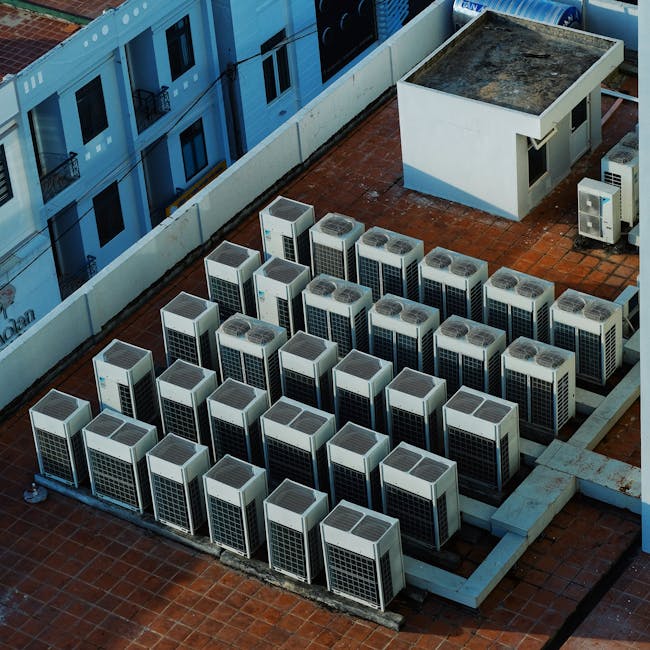
Why Does Indoor Air Quality at Work Matter in Tucson, AZ?
Even in the dry climate of Tucson, the air inside office buildings can contain pollutants that affect health, comfort, and productivity. Local residents may notice allergy-like symptoms, fatigue, or irritation even when outdoor conditions seem fine. Indoor air quality (IAQ) concerns include dust (often from our desert surroundings), pollen, cleaning chemical residues, and emissions from office equipment or furnishings. Infrequent ventilation and tightly sealed buildings can make these issues more noticeable in the city’s hot months, when windows stay closed to conserve energy.
How Can Ventilation Improve Indoor Air Quality?
Bringing in fresh outside air helps dilute pollutants inside workplaces. In Tucson, enhanced ventilation is especially necessary during the prolonged air-conditioning season, when buildings are closed off from the outdoors. Local offices can:
- Ensure that HVAC (heating, ventilation, and air conditioning) systems are set to maximize outside air intake, especially during mornings and evenings when outdoor temperatures are more moderate.
- Open windows or doors whenever practical, particularly on days with good air quality indexes and lower pollen or dust counts.
- Make sure vents and air returns are not blocked by furniture or storage.
- Schedule regular checks of mechanical ventilation systems to confirm that filters, grilles, and intake areas are clean and functioning.
Which Pollutants Are Common Inside Tucson Workplaces?
Desert dust, pollen, volatile organic compounds (VOCs), and mold spores are some of the most frequent indoor contaminants in the city. Area workplaces also contend with airborne particles from printer toner, adhesives, and off-gassing from furnishings. Knowing local sources can help address problems promptly. For example, after windy days or monsoon dust storms, indoor dust levels may spike, so additional cleaning or filter changes might be warranted.
What Role Do Air Filters Play in Workplace Air Quality?
Air filters trap particles, dust, and pollen before they circulate indoors. In Tucson, HVAC filters need to be checked and replaced more often than is sometimes recognized, since local dust can clog them quickly. The filter’s MERV (Minimum Efficiency Reporting Value) rating determines how small a particle it can trap:
- MERV 8-11 filters provide good baseline protection for offices, removing larger dust and pollen.
- Higher-rated filters (MERV 12-13) capture smaller particles, including some bacteria and smoke, which can be beneficial during wildfire season.
- Overly restrictive filters can strain older HVAC systems, so always check the system’s compatibility before upgrading.
Are Plants Useful for Improving Air in Tucson Offices?
Indoor plants can modestly boost air freshness by absorbing certain pollutants and increasing humidity, which can feel especially soothing in Tucson’s arid climate. Popular, low-maintenance options for the city include pothos, snake plants, and spider plants—just be aware that overwatering can create conditions for mold growth. For those with allergies, minimize the use of pollinating plants or plants that commonly harbor mold.
How Often Should Cleaning Happen for Better Air Quality?
Regular and thorough cleaning helps reduce dust, allergens, and microbial growth. In Tucson workplaces, this usually means dusting surfaces, vacuuming with HEPA-filter vacuums, and promptly addressing spills or water leaks to prevent mold. Consider these habits:
- Wipe down desks, keyboards, and other frequently touched areas to remove skin flakes and other organic particles.
- Clean window sills and entryways, as these often collect windblown dust.
- Store food in sealed containers and empty trash often to discourage pests and related allergens.
What’s the Impact of Office Equipment and Building Materials?
Copiers, printers, paints, adhesives, and carpeting can release VOCs that linger indoors. Many local offices are in older buildings with less efficient ventilation and older furnishings, which might off-gas more pollutants. If possible, select low-VOC supplies and furnishings during renovations, and use machines in well-ventilated or designated areas away from workspaces. Always allow newly painted or furnished spots to “air out” before regular use.
Does Humidity Control Matter in Tucson Offices?
The city’s climate is usually very dry except during monsoon season. Low humidity can lead to dry skin, respiratory discomfort, and higher levels of airborne dust. Humidifiers can help, but overuse may encourage mold or dust mites. The most comfortable relative humidity for offices is between 30% and 50%, and many local offices find 30-35% to be sufficient. Pay special attention to humidity during and after monsoon rains to avoid the opposite problem: excess moisture and mold.
What Are Simple Steps Employees Can Take?
Employees in Tucson workplaces can directly influence indoor air quality by:
- Avoiding strong perfumes or aerosol sprays, as these can linger in closed spaces.
- Not blocking air vents with boxes or office furniture.
- Reporting leaks, odors, or noticeable dust buildup to facility staff promptly.
- Using personal air purifiers at desks if overall building air improvement isn’t feasible.
Is Mold a Real Problem in Tucson, AZ?
While generally dry, the city’s buildings can still develop mold problems, especially after summer storms cause leaks or if HVAC systems have clogged drain pans. Mold often grows where water accumulates behind walls, under sinks, or in ceiling tiles after a leak—areas sometimes overlooked in routine checks. Any signs of visible mold or musty smells should be brought to a facility manager’s attention so the source of moisture can be identified and repaired. Mold removal, especially for larger areas, is best handled using guidance from public health agencies.