
 See My Latest Article on HelloNation
How Do Building Inspections Help Local Homes Stay Safe?
Regular building inspections are a primary tool for ensuring that homes and community buildings in Tucson, AZ remain safe for daily use. By identifying problems before they become hazards, inspections help prevent issues like electrical fires, gas leaks, mold from hidden plumbing leaks, and unstable structural elements. In a region where summer heat and monsoon rains can stress building systems, early detection often protects residents from accidents and emergency repairs.
For example, a routine check of an older adobe home’s wiring may reveal outdated or deteriorating connections—a common concern in parts of Tucson’s historic neighborhoods. Timely repairs, prompted by inspection findings, help avoid risks that might otherwise go unnoticed for years.
What Local Factors Make Inspections Especially Useful in Tucson?
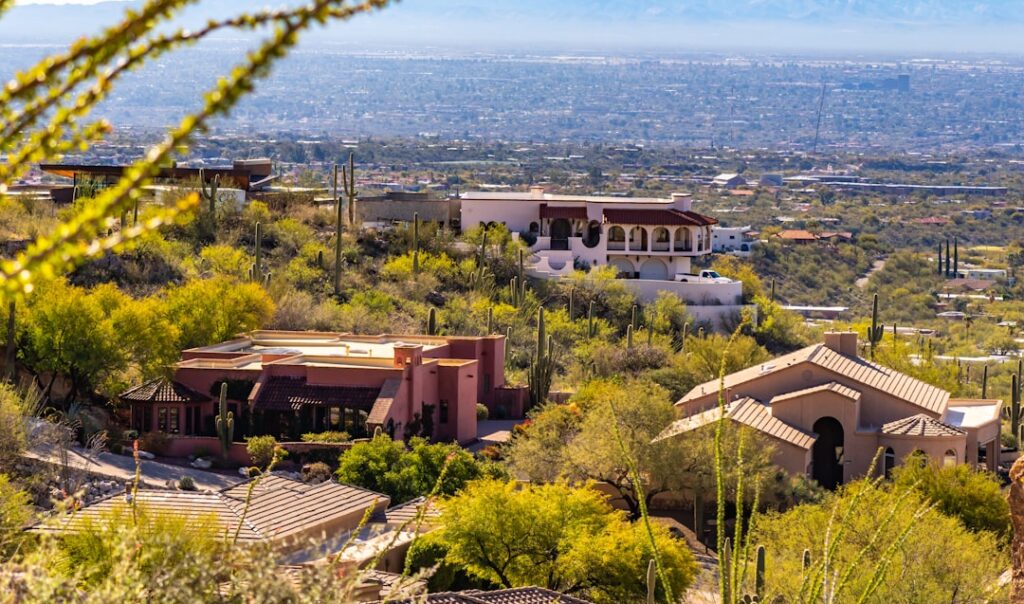
Tucson’s desert climate and unique housing styles contribute to specific inspection needs. High temperatures, episodic heavy rain, and dust storms all affect local structures and building materials.
- Roofs in Tucson often use materials designed for extreme heat, but these can crack or warp after years of sun exposure.
- Evaporative coolers and air conditioning systems, both widely used in area homes, may develop leaks or require routine maintenance that is best identified during an inspection.
- Older stucco or adobe finishes are subject to water infiltration during summer monsoons, increasing the risk of interior mold if small cracks go unaddressed.
Inspections tailored to these conditions identify problems linked to local weather and aging housing stock, helping homeowners and building managers prioritize repairs for the Tucson region.
How Do Building Inspections Support Long-Term Property Value?
Catching faults early through inspections often prevents deterioration that would otherwise reduce a property’s value. For homes and buildings in Tucson, this means retaining curb appeal, avoiding code violations, and controlling long-term maintenance costs.
Buyers in the city commonly request inspection records when evaluating potential purchases, and a regular inspection history can provide reassurance, strengthen marketability, and improve negotiation outcomes. Area properties that demonstrate a track record of ongoing care typically command better prices and experience fewer issues during resale or refinancing.
A common misconception is that inspections are only necessary before selling or buying. In reality, routine documentation and correction of maintenance issues is an effective way for Tucson owners to protect investments, regardless of sale plans.
Can Regular Inspections Reduce Utility Bills?
Thorough building checks often reveal issues affecting energy and water efficiency, both of which impact costs for local households. Leaky ductwork, failing seals around windows or doors, and outdated lighting or appliance fixtures are all items commonly flagged during an inspection.
Local homes, especially those relying heavily on air conditioning during Tucson’s hottest months, benefit from early repair or upgrade of systems that consume the most energy. Similarly, catching toilet or faucet leaks—sometimes too minor to notice day-to-day—can save significant water in a city where conservation is essential.
By addressing these issues, residents often see lower energy and water bills, which adds up over time in a climate known for its utility demands.
What Maintenance Problems Are Most Often Missed Without Inspections?
Many long-term building issues develop slowly and are easy to overlook until they become noticeable or expensive. Regular inspections help uncover these "hidden" problems before they turn into emergencies.
Some frequent examples in Tucson-area buildings include:

- Gradual roof wear, exposing insulation or causing minor leaks that worsen during monsoon season
- Early signs of termite activity, particularly near wooden trim or foundations
- Small cracks in masonry or stucco that may widen quickly after heavy thunderstorms
- Slow plumbing leaks behind walls or under floors, which can eventually cause mold or structural weakening
Residents sometimes assume maintenance is only necessary “when something breaks,” but inspections make it possible to address subtle concerns that can make a big difference in long-term comfort and stability.
How Do Inspections Relate to Local Codes and Regulations?
Periodic inspections ensure that Tucson homes and community buildings meet local safety codes, zoning rules, and occupancy requirements. This is especially important for rental properties, multi-family units, and commercial spaces, where compliance with municipal standards is regularly evaluated.
Failing to stay up to code can result in fines, delayed occupancy permits, or denied insurance claims after incidents. Inspections offer residents and owners the opportunity to identify and address problems that might otherwise lead to violations. Some updates—such as smoke alarms, carbon monoxide detectors, and accessibility features—are often mandated during changes in ownership or major renovations.
While residents can handle many maintenance tasks themselves, electrical, plumbing, or structural deficiencies with safety implications should be reported to the appropriate experts or city officials.
Do Building Inspections Offer Peace of Mind for Tucson Families?
Having up-to-date inspection records provides reassurance for families and property managers. Knowing that the structure, utilities, and essential systems have recently been checked reduces worries about hidden hazards, unplanned expenses, or health risks.
This peace of mind is especially valued in areas vulnerable to seasonal stressors, such as strong summer storms that may reveal preexisting weaknesses in local roofs or drainage systems. Even well-built Tucson homes benefit from periodic checks, as climate and age inevitably affect every property over time.