

 See My Latest Article on HelloNation
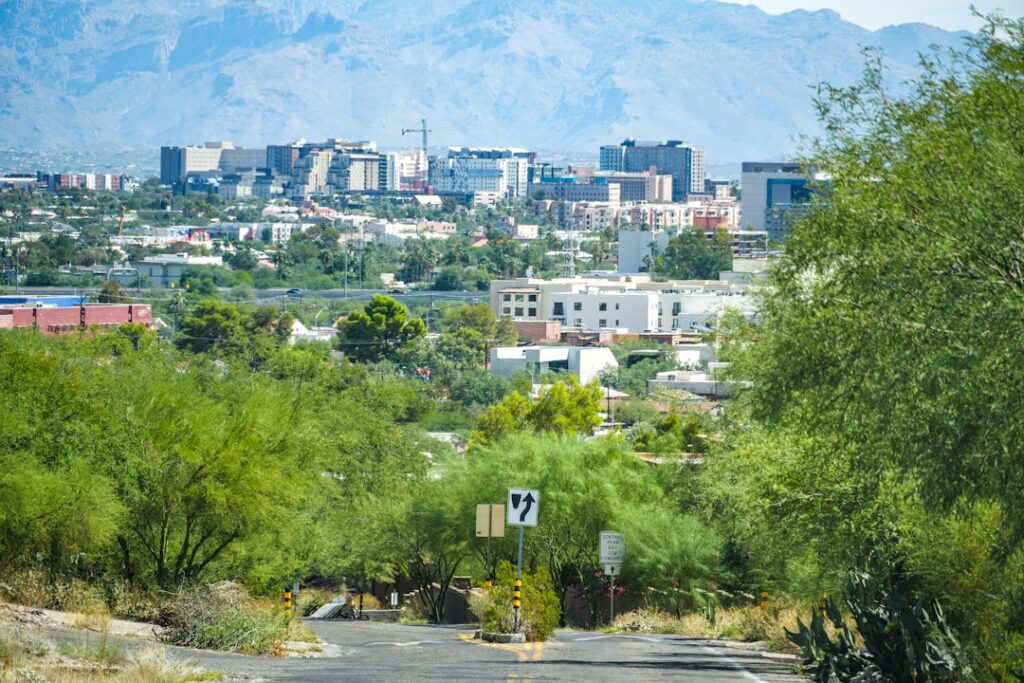
What Counts as a Facility Emergency in Tucson, AZ?
A facility emergency refers to any situation in a home or shared building that poses an immediate risk to health, safety, or property. In Tucson, extreme weather, aging infrastructure, and desert wildlife add unique risks compared to other cities. Examples include water leaks, power outages, gas smells, broken cooling systems during a summer heatwave, or fire alarms.
Facility emergencies typically fall into these categories:
- Utility failures: power, water, gas, or HVAC systems
- Flooding or major leaks: from monsoon storms or burst plumbing
- Fire and smoke: actual fire, smoke, or dangerous electrical issues
- Structural dangers: ceiling collapses, major window breakage, damaged roofs
- Safety threats: chemical spills, gas smell, carbon monoxide alarms, or major pest invasions (like bees or snakes)
What Should Residents Do First When an Emergency Happens?
The first step in any emergency is to ensure personal safety and prevent further harm. Quickly assess the situation, determine if evacuation is necessary, and avoid panicking. Most emergencies call for three priority actions:
1. Get yourself and others out of danger if immediate harm is possible.
2. If the danger is life-threatening or involves fire, gas smell, or injury, call 911.
3. Alert property management or the relevant authority (for multifamily housing or public buildings).
In non-life-threatening cases such as a major water leak or power failure, try to limit damage safely (for example, turning off the water main or breakers if accessible and safe).
How Can Tucson Residents Prepare for Monsoon and Heat-Related Facility Issues?
Monsoon season in Tucson can bring sudden flooding, roof leaks, and power outages. Extreme heat puts pressure on air conditioning systems and electrical infrastructure.
To minimize risk:
- Know the location of shut-off valves for water and gas, and main electrical breakers.
- Keep battery-powered lights or lanterns and extra water on hand.
- Prepare for power loss by storing a flashlight and phone backup battery where they’re easy to reach.
- Regularly check air vents, filters, and drainage paths to reduce HVAC strain and prevent water pooling.
- If you live in a multi-unit building, learn emergency exits and the location of fire alarm pulls.
If a facility system failure leaves you without cooling during a heatwave, relocate to a shaded, cooler space, and consider city-designated cooling centers if home conditions become unsafe.
What Are Common Mistakes People Make During Facility Emergencies?
Many residents underestimate risk by trying to fix electrical or gas issues themselves, or waiting too long before reporting problems. Typical missteps include:
- Attempting to repair live electrical panels without training
- Ignoring minor leaks that quickly escalate during monsoons
- Disabling smoke or carbon monoxide alarms when they sound repeatedly
- Not knowing how to quickly turn off water or power
- Delaying reporting of pests or wildlife, especially if snakes or bees are discovered inside
Respond quickly, but don’t endanger yourself by tackling hazardous situations alone. When in doubt about a safety risk—especially with gas, fire, or electricity—leave the premises and seek help.
Who Should Tucson Residents Contact in Facility Emergencies?

For immediate danger to life, health, or safety (fire, gas smell, injury, major flooding, or downed power lines), call 911 first.
For issues not requiring an emergency response but still urgent (like an HVAC system failure during extreme heat, roof leaks during storms, or minor flooding), notify property management as soon as possible if you live in a rental or shared community.
Homeowners with utility emergencies can:
- Report power outages or downed lines to the local electric utility
- Report water main breaks or major supply issues to the city’s water department
- Notify the gas provider immediately if there is a strong odor of gas
For animal invasions that pose a threat (like rattlesnakes inside the building), the local animal control agency or wildlife hotline can advise on safe removal.
What Actions Can Help Minimize Damage While Waiting for Help?
If it's safe and you know how, shutting off utilities can prevent additional damage. For example:
- Turn off the main water valve to stop flooding from a burst pipe
- Switch off the electrical main in case of major leaks near outlets or appliances
- Open windows for ventilation in the presence of smoke, but only if the air outside is safe
Move valuables to higher ground during flooding, and place a bucket or towels under active leaks. Avoid using elevators if flooding or electrical outages are involved.
During power outages, unplug sensitive electronics to prevent damage from power surges when service is restored.
How Should Residents Follow Up After the Emergency?
Once an emergency is under control, document any damage for personal and insurance records—photos are often helpful. Report lingering safety issues to the property manager or city authorities according to the responsibility for repairs.
For residents in multifamily buildings, ask about long-term building improvements, emergency plans, and communication procedures. This helps everyone prepare for future incidents.
Are Special Considerations Needed for Vulnerable Residents?
Extreme temperatures and emergencies can be particularly serious for older adults, small children, and those with medical conditions. Family members or neighbors should check in during major weather events or after a facility issue is reported. In extreme heat or when air conditioning fails, reach out to community groups that assist with transportation to cooling centers.