

 See My Latest Article on HelloNation
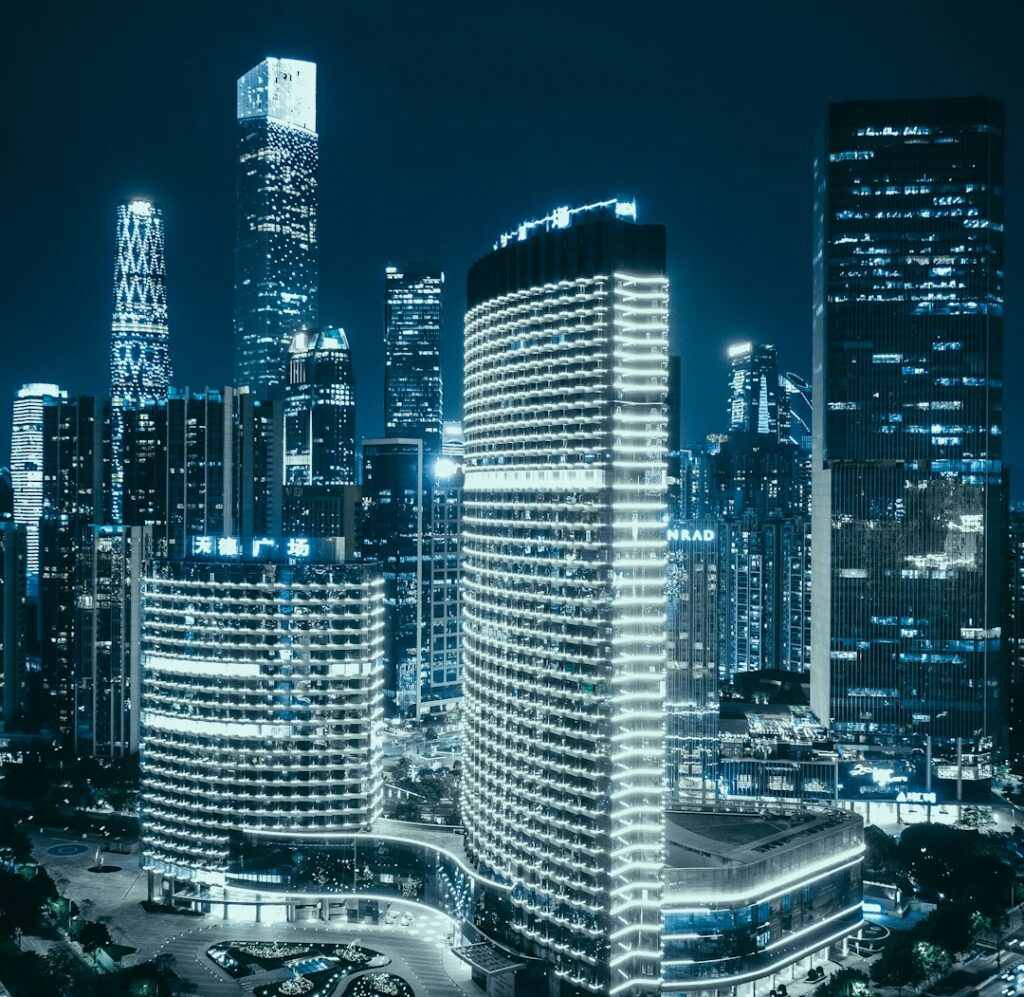
What Is Smart Building Technology?
Smart building technology refers to systems and devices that automate, monitor, or enhance building operations through interconnected sensors, software, and controls. In Tucson, AZ, these technologies are increasingly used in homes, apartments, offices, schools, and community spaces to improve efficiency, comfort, and security in response to the region’s unique desert climate and energy demands.
How Does Smart Building Technology Work?
Smart building systems use networks of devices—such as thermostats, lighting controllers, sensors, and cameras—that communicate through the internet or local networks. Software platforms process real-time data to guide automated responses, like adjusting lighting based on occupancy or changing cooling schedules based on weather.
For example, in local buildings:
- Environmental sensors might monitor temperature, humidity, or air quality, prompting air conditioning to run only when needed.
- Occupancy sensors turn off lights or scale back cooling in unoccupied rooms during Tucson’s long, hot afternoons.
- Remote access allows building managers or homeowners to monitor and control systems with a phone or computer, even from outside the property.
Why Are Smart Building Systems Relevant for Tucson Residents?
Energy use in the region surges during hot summers, often straining household budgets and local grids. Smart building technology helps lower energy consumption by optimizing HVAC operation and responding quickly to extreme heat. Water conservation, also critical in this desert city, can be supported by smart irrigation controls that prevent overwatering.
Other advantages:
- Maximizing comfort by adjusting cooling and air flow based on real-time occupancy
- Reducing utility bills through informed automation
- Supporting aging-in-place or remote care for family members through health and safety monitoring
What Are Common Misunderstandings?
Some residents believe that a smart building means expensive, futuristic construction or massive renovation. In reality, many smart features can be added to existing buildings one system at a time—such as installing smart thermostats, automated window shades, or occupancy-aware lighting. The upgrades can be as simple as plug-in devices or as complex as comprehensive building automation platforms in larger facilities.
Another misconception is that all devices require constant internet access. Some systems use local wireless networks and continue to operate basic functions even during connectivity outages.
Which Features Are Especially Useful in the Tucson Climate?
Operations in this region focus heavily on heat, sunlight, and water use. Relevant smart building applications include:
- Intelligent Climate Control: Programmable thermostats that “learn” daily routines and adjust cooling based on use, sunlight, and weather data.
- Shading and Window Controls: Automated blinds that close during peak sun hours to reduce heat gain.
- Water Management: Smart irrigation controllers using soil moisture sensors to water landscaping only as needed.
- Air Quality Sensors: Detecting dust or pollen to inform residents when air filtration or closing windows is recommended—especially during spring “yellow” times or monsoon dust events.
What Are Examples of Smart Building Technology in Everyday Life?
- An apartment complex may use keyless entry systems to manage resident and visitor access securely, with logs for community safety.
- Commercial buildings often use occupancy sensors in meeting rooms to reduce energy use when spaces are empty.
- Single-family homes can add affordable leak detectors on water heaters and under sinks to avoid costly flood damage, particularly useful in older homes.

What Privacy or Security Issues Should Residents Be Aware Of?
Any internet-connected device is potentially vulnerable to hacking, even if risks are low with typical residential usage. Residents adding smart technology should:
- Use strong, unique passwords and enable automatic software updates
- Read privacy policies of any device or software, understanding if and how personal data is collected or shared
- Evaluate if cloud-based features are necessary; some prefer local control for security or stability
- Consider the possibility that automated cameras or microphones might collect unintended information
Are Smart Building Technologies Regulated in Tucson, AZ?
While there are no local mandates requiring smart building systems in homes, larger facilities, schools, and public spaces may be subject to building codes or public safety regulations regarding energy use, accessibility, or monitoring. The city’s building officials and utility providers occasionally run educational programs on energy conservation, which sometimes include demonstrations of smart building tools.
Homeowner associations or landlords in the region may have their own restrictions or guidelines for modifications, especially in managed communities or rental situations.
What Does Implementation Involve for Area Residents?
Most commonly, implementation starts small. Many Tucson households begin with a single device, like a smart thermostat, and expand from there. Wi-Fi connectivity throughout the property is often desirable for full functionality. Residents should review compatibility with existing HVAC systems, electrical wiring, or future technology plans before investing in smart upgrades. For renters, portable or non-invasive devices (such as plug-in smart plugs) are often easiest to adopt.
Routine maintenance is still needed. Sensors and software do not replace basic upkeep, such as filter changes, HVAC servicing, or battery replacement in wireless devices.
How Can Smart Building Technology Support Environmentally Responsible Living?
The high-energy demands of cooling and the necessity for water conservation make smart systems particularly impactful for the city’s sustainability efforts. In local homes and facilities, these systems can:
- Reduce energy peaks that contribute to summer grid stress
- Provide household data on usage, helping residents track and change habits for long-term savings
- Lower overall resource consumption, easing the environmental impact during heat waves and droughts
As adoption increases, community-wide benefits may include more resilient infrastructures and less strain on local utilities—an important consideration given Tucson’s environmental challenges.