

 See My Latest Article on HelloNation
Living in Tucson, AZ, means embracing the extremes—from sizzling summers where temperatures often soar above 100°F to cool desert nights in winter. For local homeowners and business operators, HVAC (Heating, Ventilation, and Air Conditioning) systems are not merely conveniences; they’re essential for comfort, safety, and even asset preservation. Understanding the key elements of HVAC maintenance is crucial to optimizing system performance, managing energy bills, and ensuring equipment longevity in the unique climate of Southern Arizona.
Why HVAC Maintenance Matters in Tucson
Tucson’s dry desert air, pervasive dust, and intense sun put significant strain on HVAC systems. Without routine maintenance, systems can overheat or fail during the hottest days of the year—putting families or employees at risk and potentially leading to expensive emergency repairs. Well-maintained HVAC units significantly improve indoor air quality, reduce energy consumption, and avoid untimely breakdowns.
Essential HVAC Maintenance Tasks
*1. Regular Air Filter Replacement*
Changing the air filter is the single most important routine maintenance task, especially in dusty Tucson. Clean filters:
- Improve airflow efficiency, reducing the workload on your system.
- Extend equipment life by preventing dust buildup around coils and motors.
- Support better indoor air quality, reducing allergens and particulates that are common in the Sonoran Desert.
Tip: Check filters monthly and replace them at least every 2–3 months, or more often if you have pets, allergies, or your home is near construction or high-traffic areas.
*2. Seasonal Inspection and Tune-Ups*
Tucson’s HVAC workload peaks in late spring and summer. Schedule professional inspections before the cooling season to:
- Identify refrigerant leaks, which cause performance issues and can harm the environment.
- Inspect electrical connections and controls to prevent failure during heavy use.
- Clean coils and lubricate moving parts, maximizing energy efficiency.
End-of-season checks in fall also prepare your system for cooler nights and uncover issues caused by months of continuous use.
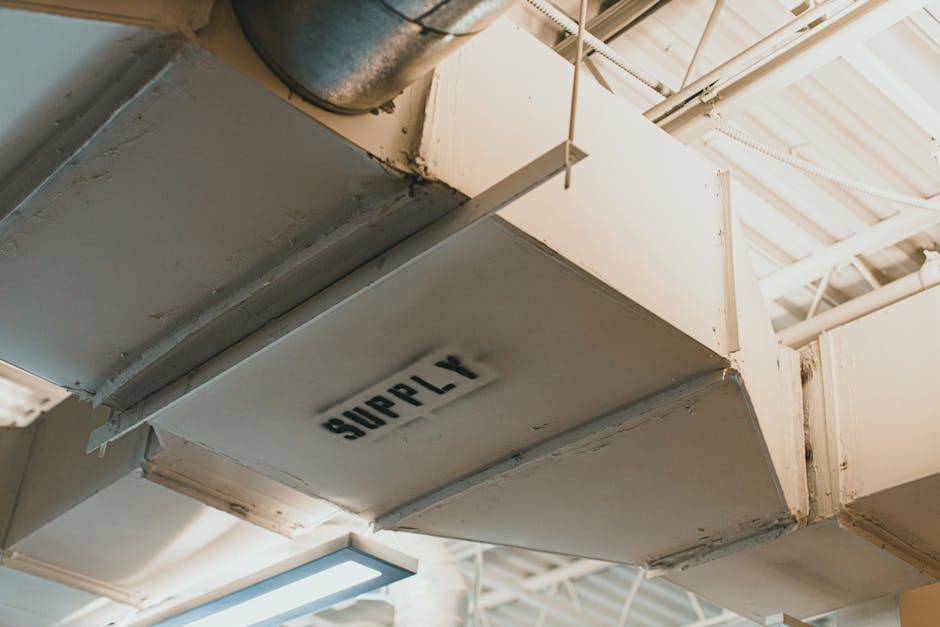
*3. Cleaning and Checking Ductwork*
Desert dust infiltrates ductwork, leading to blockages and reduced airflow. Clean, well-sealed ducts:
- Boost system efficiency, helping keep Tucson houses cool even during monsoon season.
- Prevent energy loss—leaky ducts can increase cooling costs by up to 30%.
- Limit the spread of dust and allergens, supporting a healthier indoor environment.
*4. Thermostat Calibration and Upgrades*
Calibrating your thermostat ensures accurate temperature control, preventing overcooling and unnecessary energy costs—a major concern for Tucson residents watching their summer power bills. Consider upgrading to a programmable or smart thermostat to:
- Automatically adjust temps when you’re away or asleep, maximizing comfort and savings.
- Monitor energy trends throughout the seasons for better usage planning.
*5. Condensate Drain Clearance*
The HVAC condensation drain can become clogged with debris or algae, especially during monsoon humidity spikes. Regularly clearing this line:
- Prevents water leaks that can damage floors or ceilings.
- Reduces the risk of mold growth—a hidden concern despite Tucson’s dry climate.
*6. Outdoor Unit Maintenance*
Your condenser unit works overtime in Tucson’s heat and collects dust, leaves, and debris. Seasonal tasks include:
- Clearing an 18-inch area around the unit for proper airflow.
- Washing dirt and grime from the outdoor coils.
- Checking for shade—direct summer sun can force the condenser to work harder.
*7. Checking Refrigerant Levels*
Proper refrigerant ensures efficient cooling. Low levels force the compressor to work harder, leading to system damage and higher costs. If cooling isn’t consistent, have a certified technician inspect and recharge the refrigerant.
How Often Should HVAC Maintenance Be Done in Tucson?
Due to the city’s arid conditions and long cooling season, Tucson homeowners should:
- Replace filters every 1–3 months.
- Schedule professional AC inspections twice per year—before and after summer.
- Monitor system performance monthly and address unusual noises, odors, or spikes in energy bills immediately.
DIY vs. Professional HVAC Maintenance
There are essential maintenance tasks homeowners can undertake, such as changing filters and gently cleaning vents. However, inspections of electrical components, refrigerant pressure, and advanced diagnostics should always be performed by licensed HVAC professionals familiar with Tucson’s environmental factors and local regulations.
The Impact of Regular Maintenance on Tucson Lifestyles
Consistent HVAC servicing offers several lifestyle benefits for Tucson families:
- Improved comfort during brutally hot stretches and sudden monsoon storms.
- Lower utility bills, giving you more flexibility in your household budget.
- Increased system reliability, so your cooling system is ready when you need it most.
- Extended lifespan of HVAC equipment, delaying the significant investment of a full replacement.
Preparing for Tucson’s Unique Challenges
Local events—like dust storms, pollen bursts, and the start of the monsoon season—should prompt quick maintenance check-ins. After particularly dusty days or windstorms, inspect outdoor units and replace filters if you notice a sudden decline in air quality or unit efficiency.
Conclusion
Effective HVAC maintenance is more than a chore for Tucson residents—it’s a necessity for year-round comfort, health, and cost control. Whether you’re a homeowner, property manager, or business owner, investing in these key maintenance steps will help you stay cool in the desert heat and breathe easier no matter what Tucson’s climate throws your way.