

 See My Latest Article on HelloNation
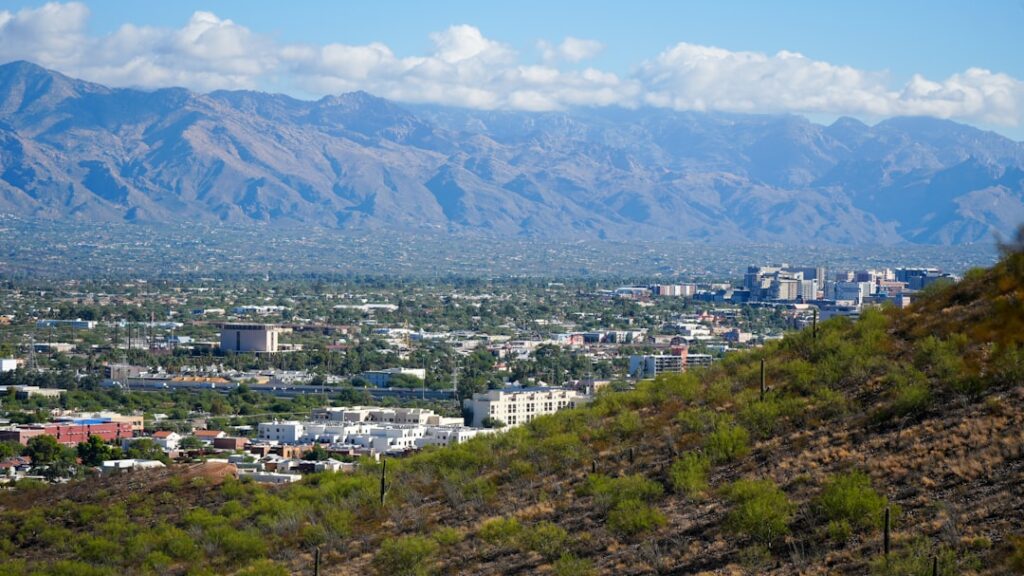
Creating a safe working environment goes beyond compliance—it’s a commitment to the well-being of every employee. In Tucson, AZ, where the landscape, climate, and community culture play a major role in daily life, building a secure workspace requires a tailored approach. Whether you operate in an office, industrial setting, or retail environment, following best practices for safety fosters trust, boosts morale, and ensures your team thrives.
Understanding Tucson’s Workplace Risks
Tucson is renowned for its vibrant desert environment, dry heat, and monsoon storms. Local businesses must account for these unique factors:
- Extreme Heat: Prolonged exposure can result in heat-related illnesses.
- Seasonal Storms: Sudden rainfall can cause slipping hazards and electrical issues.
- Desert Wildlife: Encounters with snakes or insects may occur, especially near the outskirts.
- Dust and Air Quality: Dust storms can affect indoor air and sensitive equipment.
Conduct Regular Safety Assessments
Routine risk assessments are essential for identifying and mitigating dangers in your facility.
- Walk through your workspace and note potential hazards.
- Check that fire exits, alarms, and extinguishers are accessible and functional.
- Review security measures (locks, lighting, alarm systems).
- In Tucson, pay special attention to HVAC systems—filter maintenance is crucial to combat local dust and pollen.
Heat-Specific Safety Measures
Arizona’s sunshine is legendary, but it brings challenges to workplace safety.
- Ensure climate control systems are inspected before summer arrives.
- Establish heat illness prevention protocols—provide shaded rest areas and encourage hydration.
- Schedule outdoor or strenuous tasks during cooler morning hours.
- Train staff to recognize signs of heat exhaustion and dehydration.
Emergency Preparedness Tailored for Tucson
From monsoon downpours to power outages, every facility needs a plan.
- Create an emergency response plan for severe weather events.
- Maintain emergency supply kits including flashlights, bottled water, first aid, and battery packs.
- Install backup power systems for critical operations.
- Regularly review and practice evacuation and shelter-in-place procedures.
Promote Cleanliness and Order
Neat, organized spaces reduce accidents and health risks.
- Implement regular cleaning schedules, giving attention to air vents and entryways.
- Use doormats to reduce dust intrusion during “haboob” storm events.
- Store cleaning products and pest control agents securely, especially where wildlife may wander indoors.
Support Employee Health and Well-being
A safe workplace is also one where employees feel cared for.
- Offer wellness programs or resources tailored for Tucson—think hydration tips, UV protection, or air quality alerts.
- Encourage open communication about safety concerns.
- Provide access to shade and sunscreen for employees who work outdoors.
- Create a culture where reporting hazards is encouraged and responded to promptly.
Equipment and Facility Maintenance
Regular inspections and timely repairs prevent small problems from turning into serious risks.
- Check doors, windows, and entry points for damage that can allow pests or create security gaps.
- Inspect and maintain roofs and gutters before the monsoon season to prevent leaks and water damage.
- Schedule routine HVAC filter changes to ensure good air quality.
- Make sure outdoor lighting is functional for employees arriving or leaving early or late.

Training and Ongoing Education
Employee training is crucial for sustaining safety. Tailor sessions to address local challenges.
- Provide heat safety and wildlife awareness training.
- Conduct regular drills for fire, earthquake, and severe weather events.
- Teach proper lifting techniques to prevent musculoskeletal injuries.
- Highlight the importance of hydration and recognizing weather-related health symptoms.
Respect and Value Diversity
Tucson’s culture is a blend of traditions and backgrounds. Foster an inclusive environment that respects every employee.
- Offer safety resources in multiple languages as needed.
- Ensure accessibility for those with disabilities by maintaining ramps, signage, and ergonomic workstations.
- Celebrate Tucson’s multicultural heritage with team-building events that promote cooperation and awareness.
Encourage Safe Commuting
Workplace safety doesn’t stop at your front door—help employees get to and from work safely.
- Offer shaded or covered parking if possible.
- Organize carpool groups or share information about public transit, which is popular in the Tucson area.
- Remind employees about heat precautions while commuting—like not leaving children, pets, or valuables in hot vehicles.
Monitor and Adapt
Safety isn’t static. Consistently collect input and update policies to tackle emerging challenges.
- Conduct regular feedback sessions and anonymous safety surveys.
- Adapt to new local municipal codes and OSHA regulations, which may change seasonally or after weather events.
- Remain proactive rather than reactive; what works in June might not apply in September after monsoons change the local environment.
Conclusion
Creating a safe working environment in Tucson, AZ, is an ongoing responsibility shaped by local conditions, community spirit, and a shared desire for well-being. By embracing proactive strategies—from rigorous heat mitigation to fostering a culture of inclusion and respect—you protect not just your facility, but also the people who make your business thrive. Remember, the real strength of a workplace is its people, and ensuring their safety is the foundation for lasting success.