

 See My Latest Article on HelloNation
Embracing Modern Technology in Facility Management
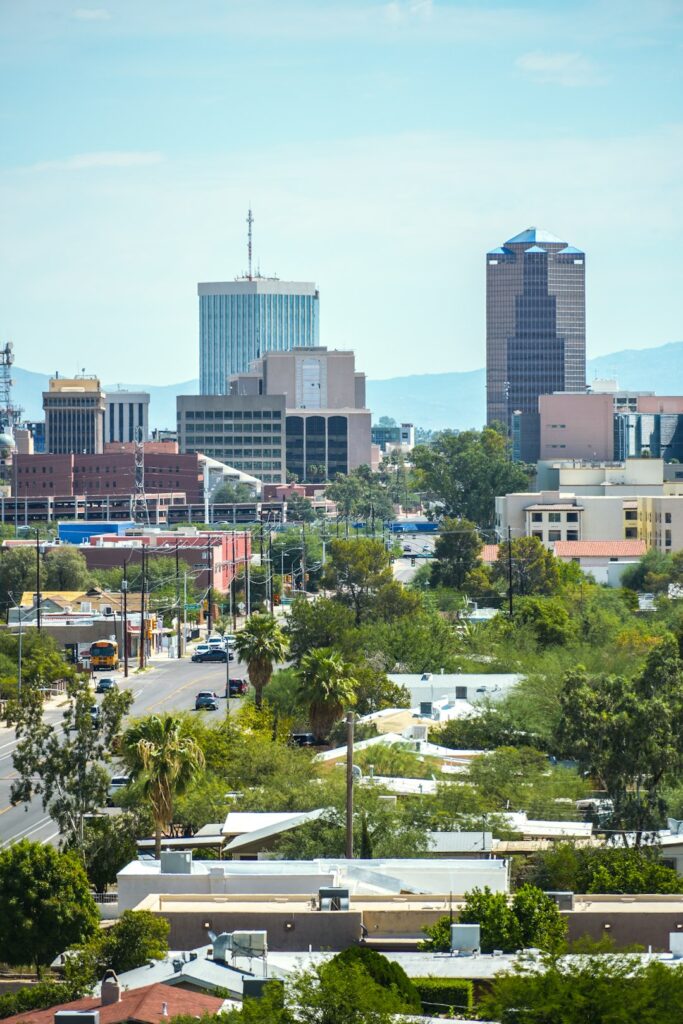
Facility management has always been about ensuring buildings operate smoothly, efficiently, and safely. In the dynamic environment of Tucson, AZ—with its unique desert climate, rapid urban growth, and a thriving mix of businesses and educational institutions—technology’s role in facility management has never been more important. From climate-responsive HVAC systems to energy-efficient lighting and predictive maintenance, the latest advancements are shaping the way facility managers keep Tucson’s buildings and campuses running smoothly.
The Tucson Advantage: Why Local Context Matters
Tucson, nestled in the heart of the Sonoran Desert, presents specific challenges for facility management. Blazing summer temperatures, occasional dust storms, and significant temperature swings require unique solutions. Residents and business owners alike value sustainability, comfort, and reliability. Modern technology not only supports these goals but often sets the standard for what’s possible in desert facility management.
Key Technologies Transforming Facility Management
1. IoT and Smart Sensors
- What Are They?
Internet of Things (IoT) devices and smart sensors are embedded in building systems, constantly collecting data on temperature, humidity, occupancy, air quality, and more.
- Why Does Tucson Need Them?
With temperatures regularly exceeding 100°F, accurate real-time data enables facility managers to optimize cooling, preventing wasted energy and unexpected breakdowns. In universities, hospitals, and commercial buildings across Tucson, IoT systems help keep environments cool and safe while minimizing energy bills.
2. Automated HVAC and Lighting Controls
- Adaptive Comfort:
Modern buildings use smart thermostats and occupancy sensors to adjust HVAC and lighting based on when and where people are present. In Tucson offices, this means less waste—lights and air conditioning systems dial down automatically when rooms are empty, contributing to the city’s sustainability goals.
- Remote Management:
Facility managers can now monitor and adjust building systems from anywhere, reducing on-site visits and swiftly responding to reports from staff or tenants.
3. Predictive Maintenance and Asset Management
- How It Works:
Predictive maintenance uses AI and machine learning to analyze equipment health, predict failures, and alert managers before issues become emergencies.
- Tucson Application:
With climate wear-and-tear a real concern—from HVAC units working overtime to roofs enduring monsoon weather—predictive maintenance reduces costly downtime and extends the lifespan of critical systems. This is vital for schools, health centers, and hotels that serve Tucson’s growing population.
4. Energy Management Systems
- Tracking & Optimization:
Advanced Building Management Systems (BMS) track energy use in detail. Facility managers in Tucson leverage these systems to identify peak load times and opportunities for savings, crucial when the desert heat drives up power demand.
- Sustainable Initiatives:
Many local organizations are pursuing LEED certifications and green initiatives. With renewable solar energy increasingly common in Tucson, integrated energy management systems seamlessly blend grid, solar, and backup generator power for optimal efficiency.
5. Security Upgrades
- Smart Surveillance:

Enhanced cameras, access controls, and AI-driven security platforms provide peace of mind for facility managers. In Tucson’s public venues and businesses, technology helps maintain safety standards amid busy events and growing crowds.
The Benefits of Tech-Driven Facility Management in Tucson
Sustainability
Adopting technology-driven solutions means significant reductions in energy and water usage—key concerns in drought-prone Arizona. Smart irrigation, automated shading, and leak detection systems further help conserve precious resources, aligning facility management practices with Tucson’s sustainability values.
Cost Efficiency
Automated and predictive systems eliminate much of the guesswork and manual labor involved in facility upkeep. This not only prevents expensive emergency repairs but also cuts operational costs in the long run, giving Tucson property owners a better return on their investments.
Improved Comfort and Productivity
By tailoring lighting, air quality, and temperature to building conditions and occupant preferences, technology supports wellbeing and productivity. This matters in Tucson’s diverse landscape of schools, offices, hospitals, and entertainment venues.
Data-Driven Decision Making
Access to real-time data enables transparent, accountable management. With analytics dashboards, Tucson facility managers can make informed choices on scheduling, sourcing, and budgeting—helping everyone from small business owners to large institutions stay ahead in a rapidly changing world.
Overcoming Implementation Challenges
While the benefits are clear, rolling out new technology can come with hurdles—initial costs, integration issues with legacy systems, or a learning curve for staff. Tucson facility managers are finding success through:
- Piloting tech upgrades in select sites to measure ROI before full adoption
- Leveraging local service providers familiar with regional challenges
- Training staff and end-users to get the most from new systems
Community collaboration and open dialogue with technology vendors ensure solutions are customized for Tucson’s specific needs, from withstanding dust storms to maximizing solar gain during the sunniest months.
Looking Ahead: Tucson’s Facility Management Future
Tucson is on the cutting edge of facility management’s technological evolution, thanks to a hands-on approach and a community invested in sustainable growth. Whether it’s the University of Arizona’s smart campus initiatives or downtown business owners applying analytics to save energy, these advances support a higher quality of life for all residents.
As technology evolves, so will the tools available to Tucson facility managers. The focus will remain on making spaces safer, greener, and more responsive—creating environments that thrive within the desert’s unique backdrop.
Final Thought
For Tucson’s facility managers, embracing technology is no longer optional—it is an essential part of staying competitive, environmentally responsible, and responsive to community needs. As the city continues to expand, integrating smart solutions will define the future of facility management throughout the Sonoran Desert and beyond.