

 See My Latest Article on HelloNation
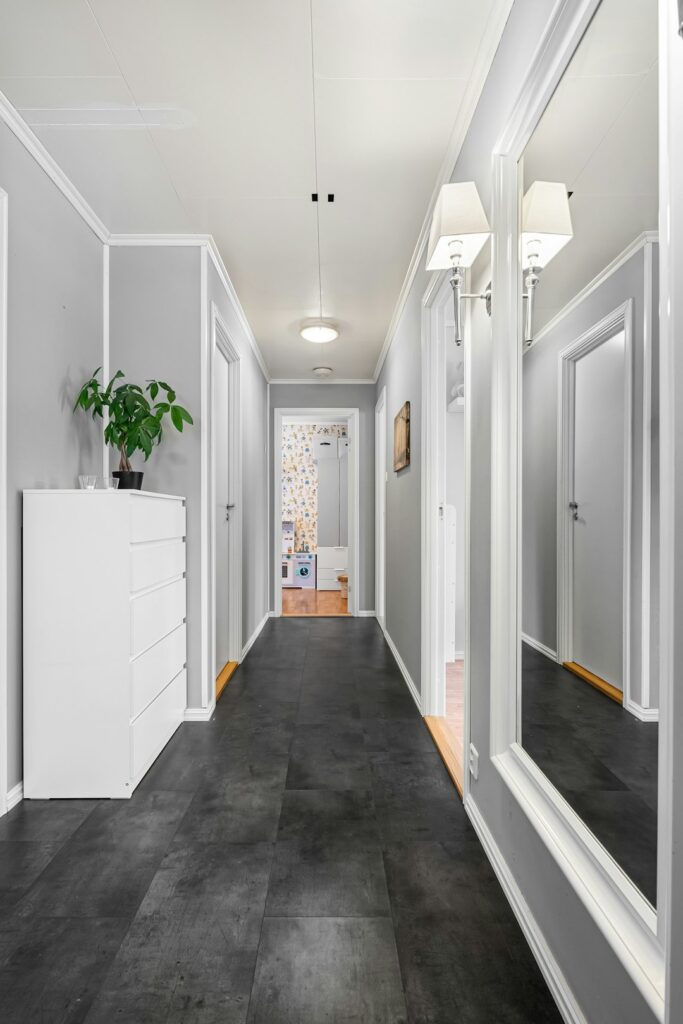
Choosing flooring for a high-traffic area requires more than selecting the hardest surface available. The right material should withstand repeated foot traffic, resist scratching and moisture, remain reasonably comfortable, and be practical to clean over many years.
In Tucson, AZ, flooring also needs to handle fine dust, tracked-in grit, intense sunlight, and seasonal rain. A material that performs well in a quiet room may wear quickly in an entryway, hallway, kitchen, rental property, or shared building.
What makes flooring suitable for high-traffic areas?
High-traffic flooring should resist abrasion, staining, moisture, and surface damage while remaining stable under regular use. It should also be easy to maintain without requiring complicated refinishing or specialized cleaning products.
Key factors include:
- Wear resistance: The surface should tolerate frequent walking, rolling carts, furniture movement, and occasional impacts.
- Cleanability: Dirt should not become trapped in deep textures, seams, or absorbent fibers.
- Moisture tolerance: The material should handle damp shoes, cleaning water, and short periods of tracked-in rain.
- Slip resistance: A smooth, glossy surface can become hazardous when wet or dusty.
- Repairability: Individual planks, tiles, or sections are easier to replace than a continuous surface that must be removed all at once.
- Appearance over time: Mid-tone colors and subtle patterns often hide dust and minor wear better than very dark or highly polished finishes.
No flooring material is completely maintenance-free. A durable surface can still fail if the subfloor is unstable, water is allowed to stand, or abrasive dirt is repeatedly ground into the finish.
Which flooring types work best for busy rooms?
For many homes and facilities, porcelain tile, luxury vinyl tile, commercial-grade sheet vinyl, sealed concrete, and selected carpet tile systems are practical choices. Each has different strengths.
Porcelain tile is highly resistant to moisture, scratching, and staining. It works well in entry areas, kitchens, corridors, and bathrooms, especially where wet cleaning is common. The grout joints need regular care, and hard tile can be uncomfortable for people who stand for long periods. A textured but cleanable finish is generally more practical than a highly polished surface.
Luxury vinyl tile and plank flooring offer a resilient, quieter surface with many visual options. They are often easier on the feet than tile and can be replaced in sections if individual pieces are damaged. Quality varies significantly, so the wear layer, installation method, seam protection, and manufacturer cleaning requirements should be reviewed rather than judging the material by appearance alone.
Commercial-grade sheet vinyl has fewer seams than tile or plank products, which can help in areas where spills and frequent mopping are common. It is useful in utility spaces and some institutional settings. It may show gouges or damage from sharp furniture legs, and repairs can be more visible.
Sealed concrete can be durable in garages, utility rooms, workshops, and some contemporary interiors. Its performance depends heavily on proper preparation and a compatible sealer. Dusting, cracking, moisture vapor, or an overly smooth finish can create maintenance and safety problems.
Carpet tile can be appropriate for offices, bedrooms, corridors, and other areas where noise reduction and comfort matter. Damaged sections can often be replaced individually. However, carpet retains dust and requires more frequent vacuuming, making it less suitable for entry zones exposed to desert grit or wet footwear unless walk-off mats are used.
Is tile or vinyl better for a busy household?
Neither is universally better. Tile generally provides stronger resistance to scratching, moisture, and heat, while vinyl is often quieter, warmer underfoot, and simpler to replace in small sections.
Tile may be the better fit for a high-use entry, kitchen, or bathroom where moisture and tracked-in dirt are common. Vinyl may be preferable in living areas, hallways, or homes where comfort, sound control, and easier impact resistance are priorities.
The subfloor matters as much as the finish. Tile requires a stable, properly prepared base because movement can crack grout or tiles. Resilient flooring can also fail if installed over an uneven or damp surface, even when the product itself is durable.
How does Tucson’s climate affect flooring choices?
Desert dust is a major consideration. Fine particles can act like sandpaper under shoes, gradually dulling finishes and scratching softer surfaces. Entry mats, frequent dry soil removal, and prompt cleaning are especially useful near exterior doors.
Seasonal thunderstorms create a different challenge. Rain can be intense but brief, and wet shoes may bring water, mud, and grit indoors. Flooring near entrances should have slip-resistant characteristics and should not depend on a glossy finish for appearance.
Strong sunlight can also affect floors near large windows or glass doors. Some resilient products, wood finishes, fabrics, and surface coatings may fade or change color with prolonged exposure. Window coverings, furniture rotation, and products rated for light exposure can reduce uneven discoloration.
Temperature changes are usually less damaging indoors than direct sunlight and moisture, but expansion gaps and proper installation still matter. Flooring should be allowed to acclimate according to the product requirements before installation.
What flooring is easiest to maintain?
The easiest flooring to maintain is usually the material that matches the cleaning routine already available. A durable floor that requires delicate care may be less practical than a slightly softer floor that can be cleaned consistently.
For busy areas:
- Remove dry grit before wet mopping so particles do not spread or scratch the finish.
- Use entry mats that capture soil without creating a raised edge or trip hazard.
- Clean spills promptly, especially on grout, carpet, and seams.
- Use the cleaner recommended for the flooring type; strong chemicals can damage finishes.
- Place protective pads under movable furniture and inspect them for trapped grit.
- Avoid excessive water on floors with vulnerable seams or porous grout.
- Keep abrasive metal glides and damaged casters away from the surface.

A regular cleaning schedule is more valuable than occasional aggressive scrubbing. Heavy buildup often requires stronger methods that can shorten the life of the finish.
What flooring problems are commonly overlooked?
One overlooked issue is the transition between different materials. Uneven transitions can catch wheels, create trip hazards, or collect dust. Changes in height should be gradual and securely installed.
Another issue is rolling traffic. A floor may perform well under walking but deteriorate under office chairs, carts, mobility devices, or equipment with narrow wheels. Areas with rolling loads need a surface and installation system rated for that type of use.
Acoustics also matter. Hard tile and concrete can increase echo and impact noise, particularly in open rooms. Rugs, acoustic furnishings, resilient flooring, or carpeted zones may improve comfort without placing soft flooring throughout the entire space.
Gloss is frequently mistaken for durability. A shiny surface may look clean when new, but it can reveal footprints, dust, scratches, and water marks. A low-sheen or lightly textured finish is often more forgiving in heavily used areas.
How should a flooring decision be made?
Start by observing how the room is actually used rather than choosing from a sample alone. Count entrances, identify wet or dusty zones, note whether furniture rolls or slides, and consider how often the area can realistically be cleaned.
A useful comparison includes:
- Expected daily foot traffic
- Presence of children, pets, or mobility equipment
- Frequency of spills or wet cleaning
- Exposure to sunlight
- Noise and comfort requirements
- Ease of repairing localized damage
- Subfloor condition
- Long-term cleaning and replacement needs
For safety-sensitive areas, flooring should be stable, firm, and slip resistant under expected conditions. A surface that is safe when dry may behave differently when wet, dusty, or covered with cleaning residue. Testing samples under realistic lighting and cleaning conditions can reveal problems that are not obvious in a showroom or catalog.
The most dependable choice is usually not the most expensive material. It is the flooring whose durability, maintenance demands, comfort, and repair options fit the specific room and the habits of the people using it.