

 See My Latest Article on HelloNation
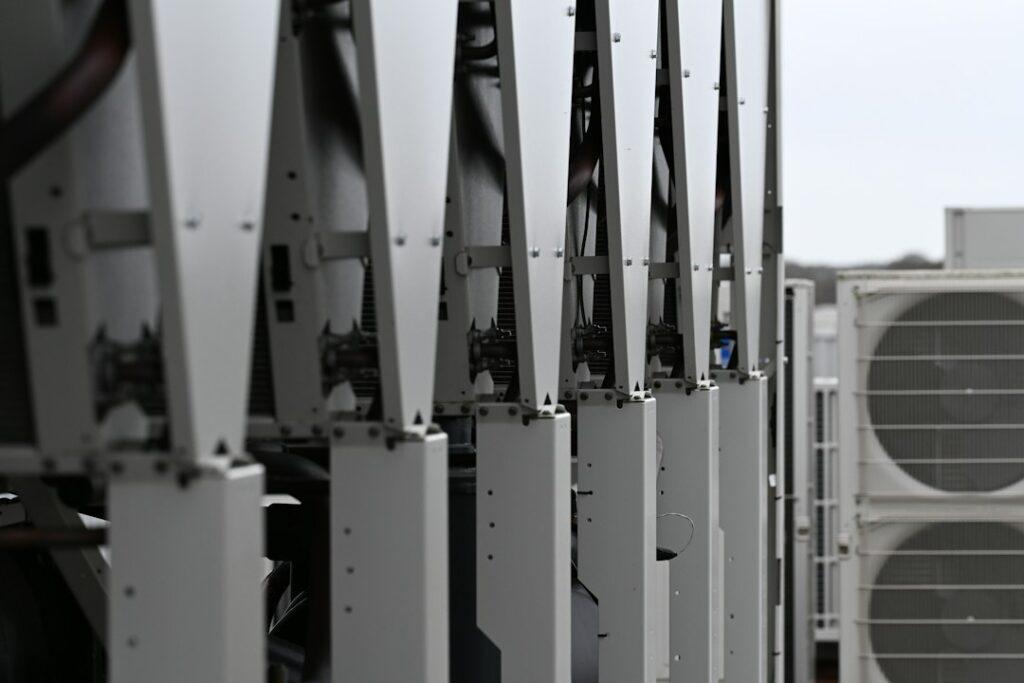
Facility management is the day-to-day work of keeping buildings safe, comfortable, efficient, and functional. In Tucson, AZ, it also plays a central role in reducing water use, managing extreme heat, lowering energy consumption, limiting waste, and preparing buildings for changing environmental conditions.
Sustainability is not limited to solar panels or major construction projects. Many of the most meaningful results come from routine decisions involving heating and cooling schedules, irrigation, lighting, maintenance, purchasing, waste handling, and occupant education.
What does facility management have to do with sustainability?
Facility management connects environmental goals with the systems and people that operate a building. A facility manager may oversee mechanical equipment, building controls, plumbing, landscaping, janitorial work, preventive maintenance, utility bills, emergency planning, and capital improvements.
Because these responsibilities affect resource use every day, facility management can influence sustainability in practical ways:
- Reducing electricity and fuel consumption
- Detecting leaks and unnecessary water use
- Extending the useful life of equipment and building materials
- Limiting waste sent to landfills
- Improving indoor air quality and occupant comfort
- Preparing buildings for heat, storms, outages, and other disruptions
A sustainability plan may establish broad goals, but facility management determines whether those goals become consistent operating practices.
Why is sustainability especially relevant to buildings in Tucson?
The local climate makes energy and water management particularly important. Long periods of intense heat increase cooling demand, while limited rainfall makes irrigation efficiency and leak prevention significant concerns. Dust, monsoon storms, intense sunlight, and temperature swings can also affect roofs, outdoor equipment, drainage systems, air filters, and building exteriors.
These conditions make preventive maintenance part of environmental responsibility. For example, a poorly maintained air-conditioning system may use more electricity while providing less comfort. A damaged irrigation valve may waste water for weeks. A roof drain blocked by debris can increase the risk of water intrusion during heavy rainfall.
Sustainable facility management responds to these local conditions rather than applying the same strategy to every climate.
How does facility management reduce energy use?
The largest energy savings often come from operating existing systems correctly before replacing them. Heating, ventilation, and air-conditioning systems should be inspected, cleaned, calibrated, and scheduled according to actual occupancy and seasonal conditions.
Useful practices include:
- Reviewing utility bills for unusual increases
- Adjusting thermostats and operating schedules to match building use
- Replacing clogged filters on an appropriate schedule
- Sealing ductwork and repairing damaged insulation
- Using occupancy sensors or time controls where practical
- Keeping exterior doors, windows, and shades in good condition
- Maintaining efficient lighting and replacing failed controls
- Inspecting rooftop equipment for heat, dust, and weather-related damage
Building automation systems can help, but technology does not replace regular review. Incorrect schedules, faulty sensors, or overridden controls can cause a highly automated building to waste energy.
Solar energy may also be considered for suitable properties, but it is only one part of a broader plan. Reducing unnecessary demand, improving equipment performance, and maintaining reliable controls should generally be evaluated before adding new generation capacity.
What role does facility management play in water conservation?
Water conservation involves more than installing efficient fixtures. Facility managers must monitor use, respond to leaks, maintain plumbing, and coordinate outdoor irrigation with the needs of the landscape and the weather.
In Tucson, useful measures may include:
- Reviewing monthly water consumption for unexplained changes
- Checking restrooms, mechanical rooms, and irrigation zones for leaks
- Maintaining pressure-regulating devices and shutoff valves
- Using low-water landscaping suited to desert conditions
- Adjusting irrigation schedules during seasonal changes
- Inspecting rainwater drainage and collection features
- Replacing inefficient toilets, urinals, faucets, or shower fixtures
- Separating indoor plumbing problems from outdoor irrigation losses
A small leak can become a significant source of waste when it continues unnoticed. Water use should also be evaluated alongside energy use because pumping, heating, treating, and distributing water require energy.
Landscape decisions matter as well. Plants that are poorly matched to the site may require excessive irrigation or fail during heat. Shade trees, where appropriate and properly maintained, can help reduce surface temperatures and improve outdoor comfort, but they still require thoughtful placement and water management.
How can facilities reduce waste and improve material use?
Facility management influences waste through purchasing, storage, maintenance, renovation, and cleaning practices. The most effective approach is often to prevent waste before it is created.
Examples include:
- Buying durable products with reasonable service lives
- Ordering supplies according to actual use
- Keeping accurate inventories to prevent expired or duplicate materials
- Repairing equipment when repair is safe and practical
- Reusing furniture, fixtures, and building materials when appropriate
- Separating recyclable materials from general waste
- Managing batteries, lamps, electronics, chemicals, and other special materials carefully
- Selecting concentrated cleaning products or refillable systems where suitable

Waste reduction must account for safety and sanitation. Reusing a material is not automatically sustainable if it creates health, fire, structural, or regulatory concerns.
Facility managers also help reduce waste during construction and renovation by planning material quantities, protecting reusable components, and identifying salvage or recycling options before demolition begins.
Does sustainability include indoor health and comfort?
Yes. A sustainable building should support the people who use it. Energy savings that create excessive heat, poor ventilation, glare, or uncomfortable humidity may not represent good facility management.
Indoor environmental quality includes:
- Adequate ventilation
- Clean air filters and maintained air-handling equipment
- Control of dust and moisture
- Safe cleaning procedures
- Reasonable lighting levels
- Thermal comfort
- Prompt response to odors, leaks, or visible mold concerns
In a hot, dusty climate, filter maintenance and exterior air controls require particular attention. Building operators should also consider how maintenance work affects occupants, especially in schools, multifamily housing, offices, care settings, and public buildings.
How do facility managers measure sustainability?
Measurement turns general intentions into decisions. Facility managers commonly track energy, water, waste, maintenance activity, equipment performance, and occupant complaints.
Useful indicators may include:
- Electricity or fuel use per square foot
- Water use by month or building area
- Number and duration of leak incidents
- Waste and recycling quantities
- Preventive maintenance completion rates
- Equipment failures and emergency repairs
- Indoor temperature or comfort complaints
- Estimated emissions from energy use
Comparing data across seasons is essential. A higher summer electric bill may reflect extreme heat rather than poor performance, while a sudden increase in winter water use may indicate a hidden plumbing problem. Good analysis looks for patterns instead of reacting to a single number.
What can residents notice in a sustainably managed facility?
Residents and building users may see practical signs of effective management: irrigation that operates during appropriate hours, promptly repaired leaks, comfortable indoor temperatures, functioning recycling areas, well-maintained shade structures, and lighting that is neither excessive nor neglected.
People can also support building sustainability by reporting dripping fixtures, unusual equipment sounds, water pooling, doors that do not close properly, and rooms that remain unusually hot or cold. Early reporting helps prevent small problems from becoming expensive resource losses.
Sustainability in facility management is ultimately an operating discipline. It combines accurate measurement, preventive maintenance, sensible purchasing, careful water and energy use, and attention to the conditions that affect local buildings. The result is not only lower environmental impact, but also safer, more reliable, and more comfortable places for people to live and work.