

 See My Latest Article on HelloNation
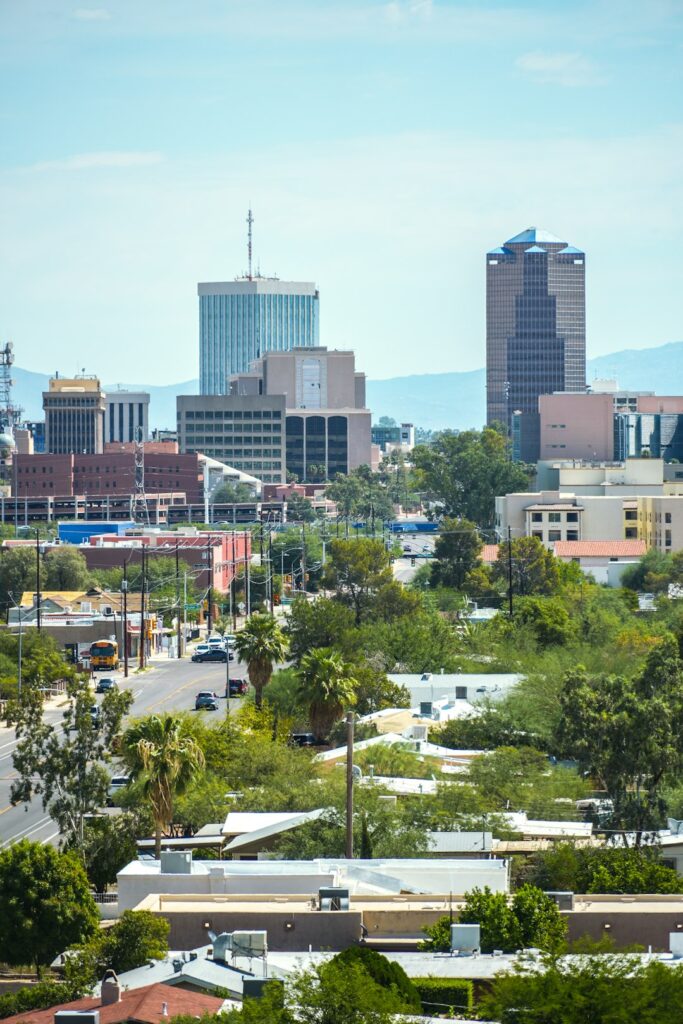
Reducing energy costs is a major concern for business owners and facility managers, especially in a climate like Tucson, AZ, where soaring summer temperatures can lead to substantial energy use. Commercial buildings, from office complexes to retail spaces, often struggle to achieve the right balance between comfort and efficiency. With strategic upgrades and conscious operational changes, it’s possible to lower energy bills while maintaining a comfortable, productive environment for tenants or employees.
Understand Your Building’s Energy Profile
The first step in reducing energy costs is understanding where your energy is going. Conducting an energy audit—either through a local utility provider or an independent consultant—will identify the areas of highest consumption. In Tucson, cooling systems are typically the largest culprits, followed by lighting and plug loads. Knowing your baseline lets you prioritize improvements with the best return on investment.
Optimize HVAC Systems for the Desert Climate
Given Tucson’s extended warm seasons, efficient cooling is crucial. Here are targeted tips:
- Upgrade to high-efficiency HVAC units: Modern systems use less energy and offer better control, reducing costs over time.
- Implement smart thermostats: These allow you to program temperature settings to align with business hours, minimizing energy usage when buildings are unoccupied.
- Seal and insulate: Preventing cool air from escaping through leaks and poorly insulated areas reduces the workload on your cooling systems.
- Regular maintenance: Dirty filters, blocked vents, and neglected equipment can decrease efficiency. Schedule twice-yearly check-ups, especially as spring arrives before peak summer demand in Tucson.
Consider Alternative Cooling Methods
Incorporate Tucson’s dry climate into your efficiency strategies:
- Evaporative coolers: While not suitable for all building types, these can supplement or even replace traditional air conditioners during dry months.
- Ceiling fans: Help circulate conditioned air, allowing you to set the thermostat a few degrees higher without sacrificing comfort.
- Window film and shading: Applying reflective window film or installing shade structures reduces heat gain, particularly for west- and south-facing windows.
Upgrade Lighting for Quick Savings
Lighting can account for up to 30% of a commercial building’s energy use. Tucson enjoys an abundance of natural sunlight, which you can leverage while minimizing electric lighting requirements:
- Switch to LED lighting: LEDs use a fraction of the power of older fluorescent or incandescent lights and last significantly longer.
- Install occupancy sensors: These automatically turn lights off in unoccupied rooms, such as conference rooms, restrooms, or storage areas.
- Maximize daylight: Rearranging workspaces near windows and using light shelves or blinds to direct sunlight reduces artificial lighting needs.
Invest in Building Automation
Modern building management systems (BMS) offer Tucson businesses real-time control and monitoring of all major energy systems. These platforms can:
- Optimize HVAC and lighting schedules based on use patterns and outdoor weather.
- Provide alerts when systems operate outside normal ranges, allowing for quick intervention.
- Facilitate benchmarking and ongoing improvements to keep energy-saving momentum going.

Take Advantage of Local and Federal Incentives
Arizona utilities, such as Tucson Electric Power (TEP), frequently offer rebates and incentives for energy upgrades like high-efficiency HVAC equipment, insulation projects, and lighting retrofits. The federal government also provides tax credits for certain building improvements. Stay up-to-date and take advantage of these programs to offset upgrade costs while improving building performance.
Engage Tenants and Occupants
Fostering an energy-conscious culture in your building can lead to significant cumulative savings. Simple steps include:
- Educating building occupants about turning off lights and electronics after use.
- Encouraging the use of blinds or shades to control heat gain naturally.
- Providing incentives for tenants who contribute ideas or practices that result in lower energy bills.
Harness Solar Power for Sustainable Savings
Tucson enjoys over 350 days of sunshine each year, making it a prime location for solar adoption. Commercial solar panels can offset utility costs and may even provide revenue through net metering:
- Rooftop solar installations: Great for buildings with sufficient, unshaded space.
- Solar carports: Provide covered parking for tenants while generating power.
- Evaluate power purchase agreements (PPAs): These allow building owners to add solar with minimal upfront investment, paying for the system through electricity savings instead.
Monitor, Measure, and Adjust
The key to long-term energy savings is ongoing tracking and improvement. Use smart meters and sub-metering to break down energy use by floor, tenant, or system. Analyze the data monthly, compare it to previous periods, and make adjustments as necessary. In Tucson’s seasonal climate, you might only notice the real impact of changes after a full year.
Conclusion
Reducing energy costs in Tucson’s commercial buildings is not only possible but practical. By focusing on efficient cooling, lighting upgrades, solar power, and building automation—plus leveraging local incentives—facility managers can create a comfortable, cost-effective environment while maintaining sustainability. Implement these strategies and you’ll see immediate savings on your utility bills, with benefits increasing over time.